Around about age 43, I started to think about the perimenopause as I knew this was my next phase in life and I wanted to be proactive and prepared for what was to come. As I always do, when it comes to my wellbeing, I started reading more and educating myself on what to expect so that I was well prepared and informed. I knew I didn’t want to be blind sided by symptoms. I I feel that I’m lucky to be alive in a time where there are many more conversations about the menopause, so I feel like I could also learn from those who were walking this path ahead of me.
I love being proactive about wellbeing, doing all the things possible to have a strong foundation of health, and my approach to perimenopause would be no different.
Through study and personal exploration I am sharing 5 proactive health hacks to help you prepare for perimenopause.
These are things I’ve worked on personally, but they are also backed by science as the key areas for women’s health.
This guide is perfect if you’re haven’t yet started feeling those hormone changes and if you’re experiencing a range of perimenopause symptoms.
It’s never too late to start making changes and tackling the big 5 factors that will make the best difference for your experience of menopause.
When it comes to the top 5 foundational health hacks, these are the ones your need to focus on:
- Sleep
- Relaxation
- Nutrition
- Strength
- Joint Health
Let’s dive deeper into each one, so you can work through these for yourself.
Sleep
Why is Sleep important for perimenopause?
Apart from the obvious of feeling tired through lack of sleep, there are important health benefits when we master our sleep and get a consistent good night’s sleep.
Firstly, sleep supports your brain health and cognitive function. When you hear about people in menopause suffering with brain fog, this can be greatly reduced with good quality sleep.
This then leads to out ability to make good choices about our health for the day ahead. When sleep is lacking we are much more likely to experience cravings for high fat, sugar and salty foods and are likely to overeat as our ‘hunger’ hormone is much higher when we are tired.
Good sleep supports our long term resilience to stress factors, helping us to recover, repair and reset.
Similarly, a decent night’s sleep helps our muscles and joints to recover in between exercise, which is important so that we can continue to benefit from the positive effects of exercise and avoid injuries and strains through overuse.
Too much high intensity exercise without proper time for recovery can put unnecessary stress on the body and lead to inflammation in the body.
Now that we know why sleep is important, let’s look at how we can protect our sleep and work towards more night’s of good sleep.
The important factor of gaining better sleep is to give yourself the best chance possible. Going to bed and waking up at the same time each day is a good place to start and during the day, make sure you get outside for a dose of vitamin D.
Your sleep routine will be personal to you and you can experiment with different factors until you get the right combination. Some possible things to include or consider are:
- Switching off from technology at least an hour before you go to bed.
- Getting fresh air during the day to help your natural circadian rhythm run smoothly
- Cut out caffeine after midday or altogether if you are sensitive to caffeine
- Use breathing techniques to help you find calm before you sleep
- Try yoga or going for a walk in the evening to help you switch off from a busy day.
Relaxation
I’ve noticed that most people struggle to switch off and do nothing for any period of time. I teach yoga classes in my local community and I see how difficult people find it to lie still for even 5 minutes.
But…this is an important factor in your proactive perimenopause preparation so let’s look at some ways you get better at relaxing.
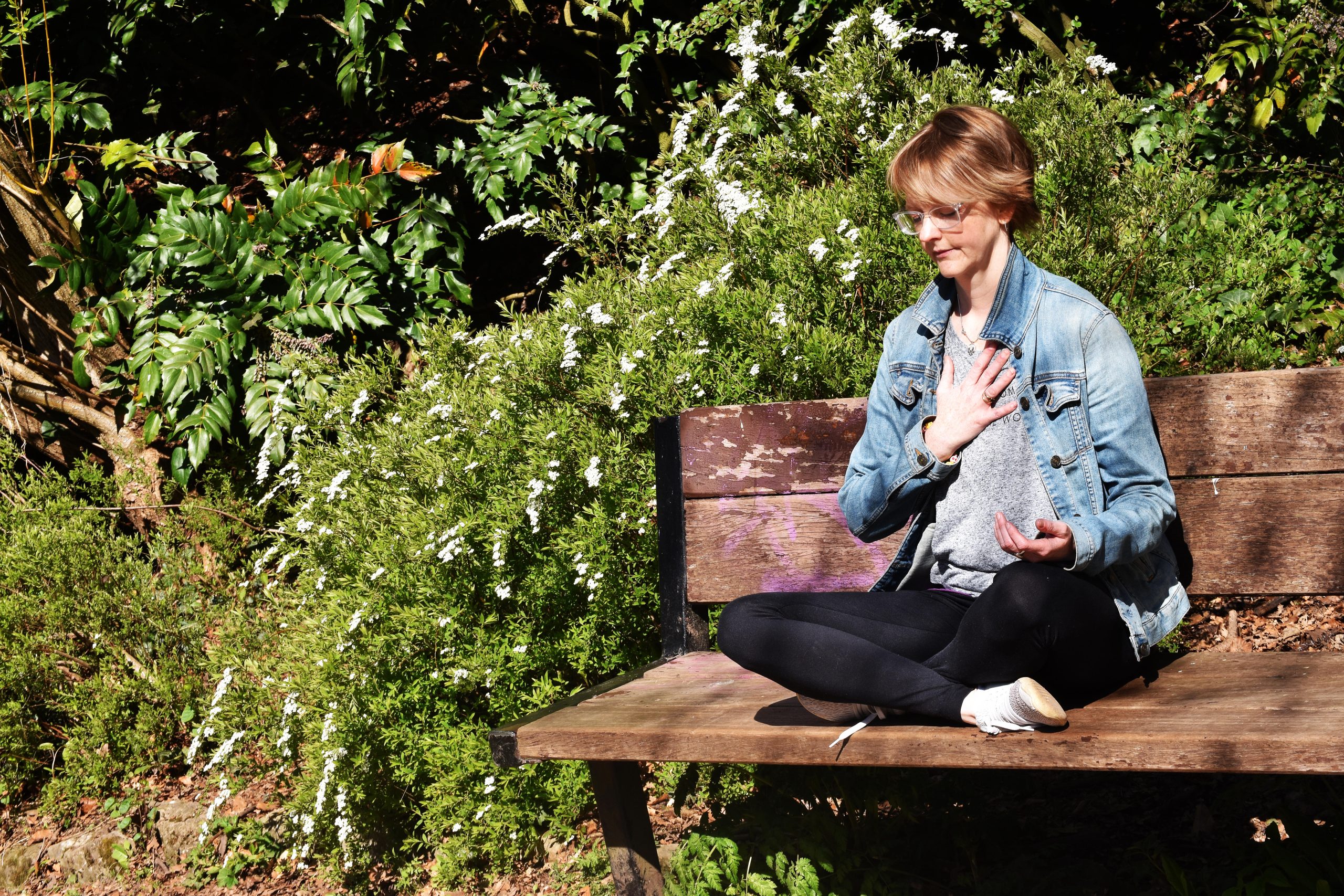
Firstly let’s think about the 2 elements you should be including into your regime. The first one is to have a regular daily practice that you do consistently. This will help you build up your resilience to stress. This could be something you do, like meditating, every day at the same time for a short period in time. Journaling is also another popular way to help with your stress resilience as you are regularly reflecting on your experiences and connecting more deeply with yourself through your writing.
The second thing to have is a tool or range of tools/practices that you can turn to at immediate times of stress or anxiety. For example, deep breathing if you feel yourself losing your patience.
Knowing a couple of ways to bring down your blood pressure and regain control over your nervous system will help you day to day, so that you’re not living your life in fight or flight mode.
This is also really helpful for your sleep routine. Making sure you’re feeling calm before you go to bed.
Nutrition
The key word here is to think about your nutrition in the context of inflammation. Aim for foods that have anti-inflammatory benefits to combat the natural inflammation that occurs due to the changes in hormones.
Your aim is to eat a colourful range of whole food, avoiding ultra processed food as much as possible. You don’t have to be 100% perfect all of the time but aim to be as good as you can be for most of the time. The better you eat the better you will feel.
Ultra-processed foods that are high in the wrong kind of fat*, sugar and salt are the root cause of many lifestyle ailments such as diabetes, heart disease and obesity. You can avoid these with good nutrition, and educating yourself as to what is naturally good for you.
Be curious about your nutrition and try to cook your meals from scratch rather than relying on pre-packed meals.
Watch this video for my take on nutrition vs diet to add additional context.
(*fat is needed in a balanced diet and this should come from whole foods such as nuts or avocado – there are lots of others!)
Strength
Our bodies love variety and diversity. Having regular strength training sessions, classes or routines will help you maintain your muscle mass, which incidentally is declining post 40.
There are so many ways to add ‘strength work’ into your regime, you’ll definitely be able to find one to suit you.
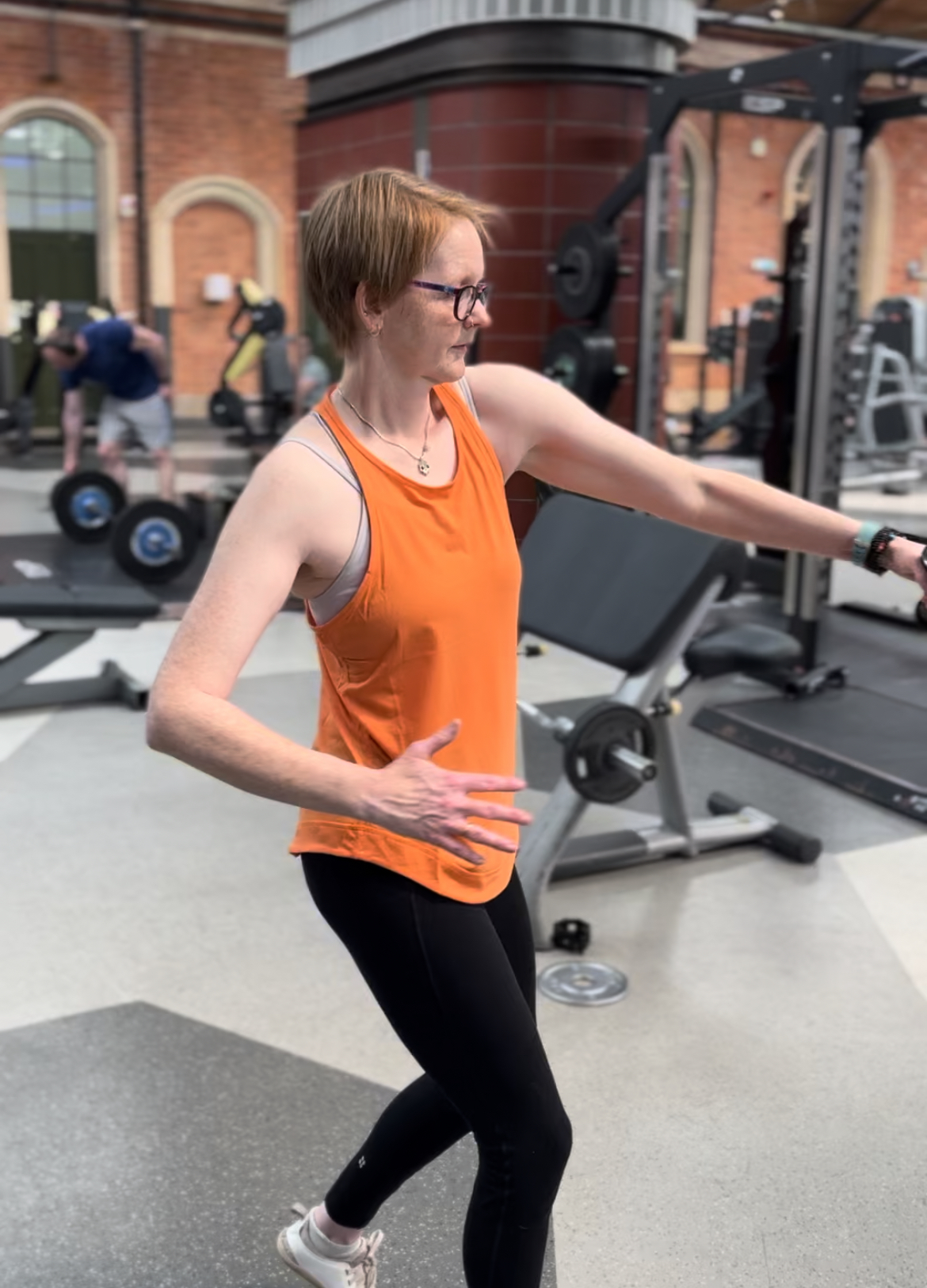
You can go to a gym and lift weights, invest in some weights and do some exercises at home or work individually with a personal trainer including a combination of body weight exercises with weights.
Don’t be afraid to start lifting weights for the first time – we all have to start somewhere.
One word of caution on this though, make sure your pelvic floor is ready for an increase in activity first.
Progress slowly to avoid injury and if you can, join a guided class or work 1:1 to ensure your technique is accurate so you get the most out of your work.
Joint health
For similar reasons to Strength, your joints need focused care and support so they stay healthy. It’s a cliche but true to say ‘use it or lose it’. If you opt for a sedentary lifestyle and limit how much you move your body you WILL lose the ability to move well.
This isn’t a good option if you’re planning to live a long and happy life.
Joints can be cared for in many different ways, including very simply moving each joint daily in all the ways possible.
It’s a good idea to join a class or seek one on one support to develop a routine that suits you well. You can work with me to create a routine that considers your current health conditions and helps you progress safely.
These 5 health hacks form the foundation of your wellbeing when preparing for perimenopause.
It’s a really good idea to start as soon as you can and work on each one to embed them into your life.
Nail these 5 hacks and you’re much more likely to feel confident and calm about your next phase in life. It means you’re not starting from a place of lack and are less likely to be blind sided by common symptoms of perimenopause.
Many of the symptoms are made worse when bodies are stressed, tired and undernourished.
A lack of sleep makes brain fog much worse and your body will feel more achy and tired without the right amount of rest.
Whether you decide to go down the route of HRT or not, these 5 health hacks should be in place first and form your proactive perimenopause plan.
 English