
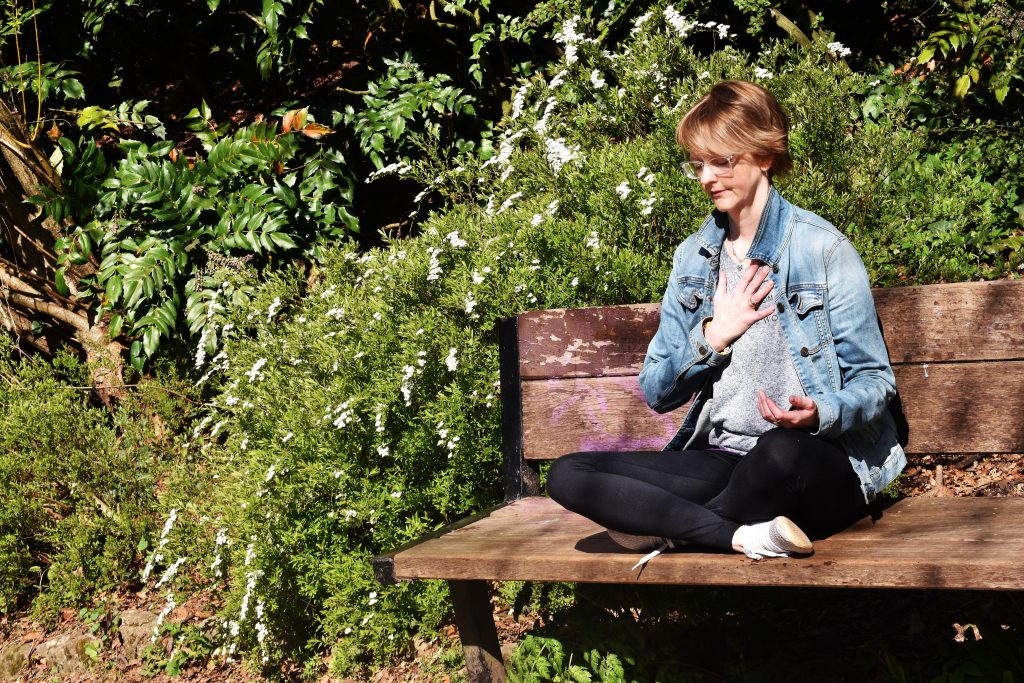
Do you want to harness the power of yoga to build a healthy pelvic floor, then keep reading. I’ve got some important advice to help you.
If you’re a regular yogi, you may have found yourself searching online for yoga poses to help with your issues.
I’m pretty sure you will have found plenty of advice that focuses on ‘strengthening’.
On the one hand I love that yoga is so widely referenced in connection to many ailments, but sometimes I worry that we’re relying too much on yoga to fix our problems.
Yoga is awesome in helping us connect to ourselves on a deeper level, but it’s important to know how to adapt a yoga practice if you have pelvic floor dysfunction.
The yoga poses you do in a class do not automatically help your pelvic floor, but with the right adaptations they can play a useful part in keeping your pelvic floor healthy.
What to Focus on to Support Your Pelvic Floor
If you are currently doing yoga, either online or in person, here is a list of things you can change to make sure your practice is good for your pelvic floor.
1. Breathing technique
– belly breathing isn’t good for your pelvic floor the best kind of breathing technique is rib cage breathing.
2. Stop contracting your pelvic floor
(mula bandha) whilst doing your poses – it’s not helpful and could be causing tension and tightness.
3. Foot position during standing poses.
Try to stand hip distance apart instead of ankles touching.
4. (NOT) Focusing on flexibility.
Ideally you want to focus on mobility in your joints and stability using your muscles. If you are hypermobile you definitely don’t need to be flopping into poses. Focus on engaging your muscles instead of creating more flexibility.
5. Avoid repetitive sequences.
Your body loves and needs variety. If you do the exact same yoga sequence every time, you’re not giving your body the movement nourishment it needs to be healthy.
Why Yoga Alone Won’t Fix Your Pelvic Floor
It’s important to determine that yoga poses are taught very differently depending on the style of the class and the teacher who is teaching.
There might be a focus on flexibility in one class, where another one is all about moving swiftly in and out of vinyasa (sequences of poses)
Unless your teacher has had additional training, it’s unlikely they are familiar with how to teach a class for someone with pelvic floor dysfunction. Standard yoga teacher training DOES NOT include information about the anatomy of your pelvic floor or core.
That’s ok, they aren’t expected to be experts in everything. But if that’s something that’s troubling you right now, it’s useful for you to understand what your pelvic floor needs.
Yoga by itself cannot claim to strengthen your pelvic floor unless your teacher is qualified to include corrective exercises into your class.
And ‘strengthening’ your pelvic floor isn’t always needed as it’s quite possible it could be too tight or tense.
Your pelvic floor actually needs to be responsive – to be able to contract and relax. Read more about your pelvic floor function
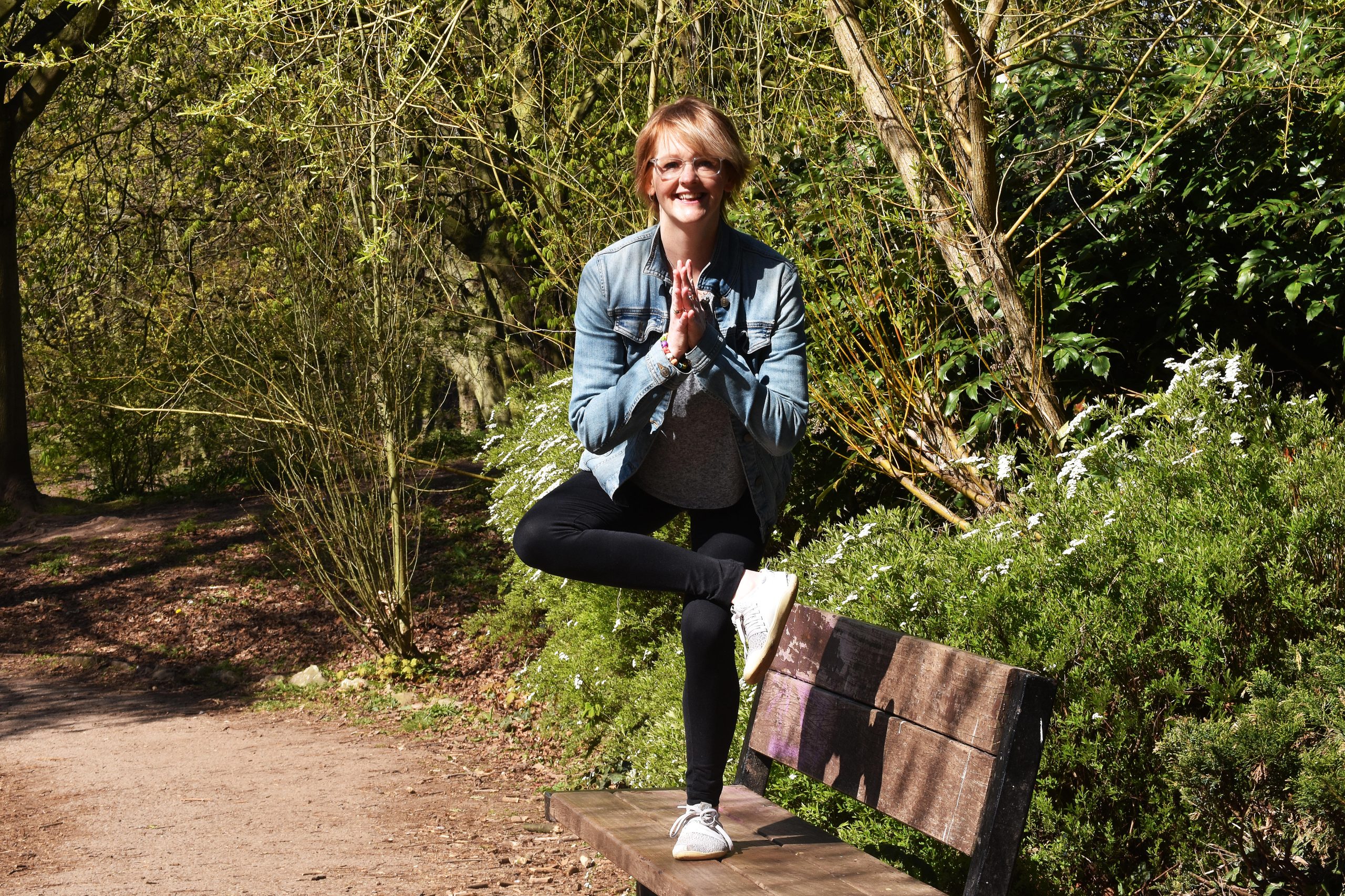
How to Adapt Your Yoga Practice
Let’s dive deeper into yoga as a physical practice, why specific poses aren’t beneficial, and what you can do instead. These are my top 5 recommendations:
1. Belly breathing
This practice increases the internal pressure downwards which will impact your pelvic floor. It’s really harmful if you already have pelvic floor issues and should be avoided.
The best type of breathing for your pelvic floor is rib cage breathing. This is where you focus on expanding your rib cage on your breath in, and relaxing as your exhale. Your belly might move slightly but this is much more about getting your diaphragm moving NOT your belly.
It can be helpful to place your hands on your rib cage and breathe into your hands so that you can feel the area moving. This helps with the mind/body connection.
2. Lifting your mula bandha/pelvic floor during poses.
It’s not necessary to do this and could create more tension in your pelvic floor. By using the breathing practice above you will be naturally engaging your pelvic floor which will be more beneficial than artificial contraction.
3. Feet/ankles together in mountain pose.
It’s much better to have your feet aligned underneath your pelvis rather than have your ankles touching together. This creates a good foundation for the rest of your skeletal system.
It will mean your legs, knees and hips have better alignment rather than holding them tight together. This will help your posture and create a good habit to do off the mat as well as during a class.
4. Pushing yourself into extreme poses for the sake of achieving a pose.
This is a dangerous practice for your joints and ligaments. If you are hypermobile, this is definitely something to avoid. Don’t let your teacher push your body into shapes that feel too much!
Yoga isn’t about achieving a shape or pose. Instead, explore how your body feels as you move through different shapes rather than focusing on a pose as an end goal.
If your teacher offers adjustments, politely decline and work within your own boundaries instead. Get used to sensing what feels good for your body.
5. Repetitive sequences
If you do the same sequence each time, your body is missing out on the variety it needs. Your nervous system appreciates new movements. Your muscles and joints will enjoy having different ways to move. Doing the same poses over and over could result a repetitive strain injury.
Key Takeaways to Use in Your Next Yoga Class
When you’re next stepping on your yoga mat, try to think about the following things:
Swap all the other breathing practices with rib cage breathing – this will support the pressure inside your core, giving your pelvic floor the space it needs.
Keep your feet apart in mountain pose or to prepare for a forward fold. Having your feet, pelvis width apart will be much better for your whole frame.
Ignore your teacher if they instruct you to lift your mula bandha/pelvic floor – honestly this is a weird cue and doesn’t provide any practical help.
Avoid flopping into poses especially if you’re already flexible. Use your muscles to support you instead.
Use your practice as a way to relax and support your nervous system and seek help from a specialist movement teacher for specific exercises for your pelvic floor.
Yoga is Great But Isn’t Enough
Ultimately, yoga isn’t the answer to your problems. It can be a great part of your wellbeing plan and will really help you build your stress resilience. This will be really helpful if it’s stress that’s causing your pelvic floor muscles.
Just be super sure that the classes you are practicing are ok for your body. If you notice aches and pains after a class, look elsewhere for help.
Have a look at these 10 habits for your pelvic floor to give you a wider view of the things you can do to support your pelvic floor
Download this free guide for 6 movement and lifestyle habit to improve your pelvic floor
 English