
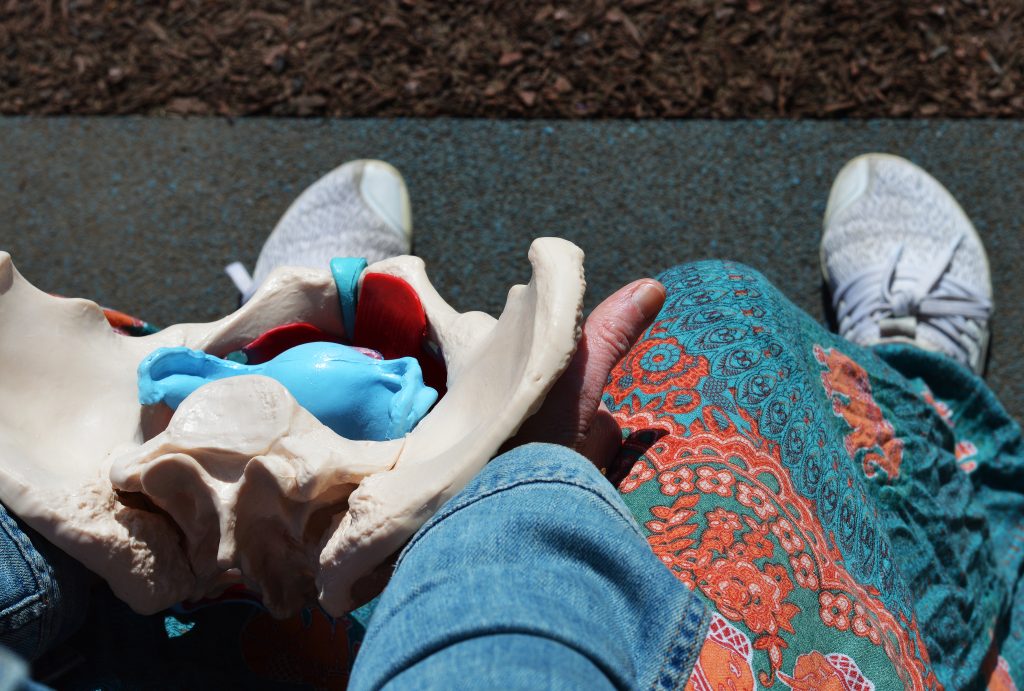
Is this you?
You’ve been doing Kegels (squeeze and release exercises) and they haven’t worked and now you’re having issues like leaking or prolapse?
Or, maybe you haven’t been doing them at all or not consistently and now you’re blaming yourself for your issues?
Well, I’m here to tell you not to be disheartened. You’re not to blame and actually, there is a much better and effective way to restore your pelvic floor. Which I’m going to tell you about.
But first…
I’m going to explain exactly why Kegels don’t work for everyone. Why they are not the best way to support your pelvic floor and what you can do instead.
I’ll also help you understand how the pelvic floor works in relation to the rest of the body. This will give you even more insight into your current problems and help you to start feeling better.
What Kegels do
Let’s start by talking about the Kegel exercise which is synonymous with pelvic floor health. This exercise focuses on squeezing and releasing your pelvic muscles in order to strengthen them.
The problem with this exercise is, it’s often difficult to do it correctly and easy to do too many causing a tight pelvic floor.
Leaking or prolapse isn’t automatically caused by your pelvic floor being too weak. Tightness causes the same symptoms as weakness.
Often, if you seek help via your Doctor you will be told to do more Kegels. Here’s some extra advice if this happens to you.
How your pelvic floor works
Here’s a really quick and simple guide to your pelvic floor muscles.
The first thing to know is that they are part of your core function and work with your breath. When you breathe in your pelvic floor relaxes and when you breathe out it contracts. This is an automatic process.
The pelvic floor, when fully functional, anticipates your daily needs and will contract automatically when you sneeze, jump, laugh etc.
The muscles themselves need to be both strong and flexible. They need to be able to shorten and lengthen. Much like your biceps and triceps. When you bend your elbow the bicep contracts and the tricep lengthens and so on.
Your pelvic floor muscles are just like the other muscles in your body. They work best when the rest of your body is working well.
The reason your pelvic floor muscles aren’t working as they should, is likely to be because there is an imbalance elsewhere in your whole self.
The pelvic floor doesn’t work in isolation and so we need to look at the root cause before embarking on a programme of rehab.
What your pelvic floor needs instead
We’ve talked about the link between your pelvic floor and the rest of your body and that there could be imbalances elsewhere.
The first place to start is to become aware of your daily habits. Essentially, how you move and use your body and how you live your life impacts on how well your pelvic floor works.
Some of the biggest causes of pelvic floor dysfunction include stress, poor posture, breathing patterns and prolonged periods of sitting.
Take some time to think about your movement patterns and see if you can spot any bad habits that might be causing you a few issues.
Usually we’re pretty self aware when we take time to think and I’m sure you already know some areas that might need some attention.
To get you started take a look at these 10 habits for your pelvic floor. These will get you thinking more about whole-self health and give you some things you can try.
 English